Bugbear Meaning
That persistent irritation you can’t shake—a barking dog next door, a cluttered inbox, a colleague who chews too loudly—has an ancient name. It’s a bugbear, and knowing its meaning transforms a mere annoyance into something you can spot, name, and manage. This guide unpacks the word’s creepy folklore origins, its modern definition, and why it still sneaks into our language today.
Bugbear Meaning: A Quick Definition
A bugbear carries two distinct meanings that share a common thread of fear or deep annoyance. In folklore, it refers to a frightening goblin-like creature used to scare children into good behavior. In everyday language, a bugbear describes something that repeatedly irritates or worries a person. Both senses paint a picture of a lingering shadow that disrupts peace of mind. Understanding this dual identity helps you appreciate why the word has survived for centuries.
The primary source of the modern bugbear meaning emerges from 16th-century English households. Parents warned that a bugbear would snatch unruly children, blending the words “bug” (hobgoblin) and “bear.” Today, calling something a bugbear means it’s a personal pet peeve or a persistent problem you find hard to escape.
The Earliest Bugbear Meaning in Folklore and Myth
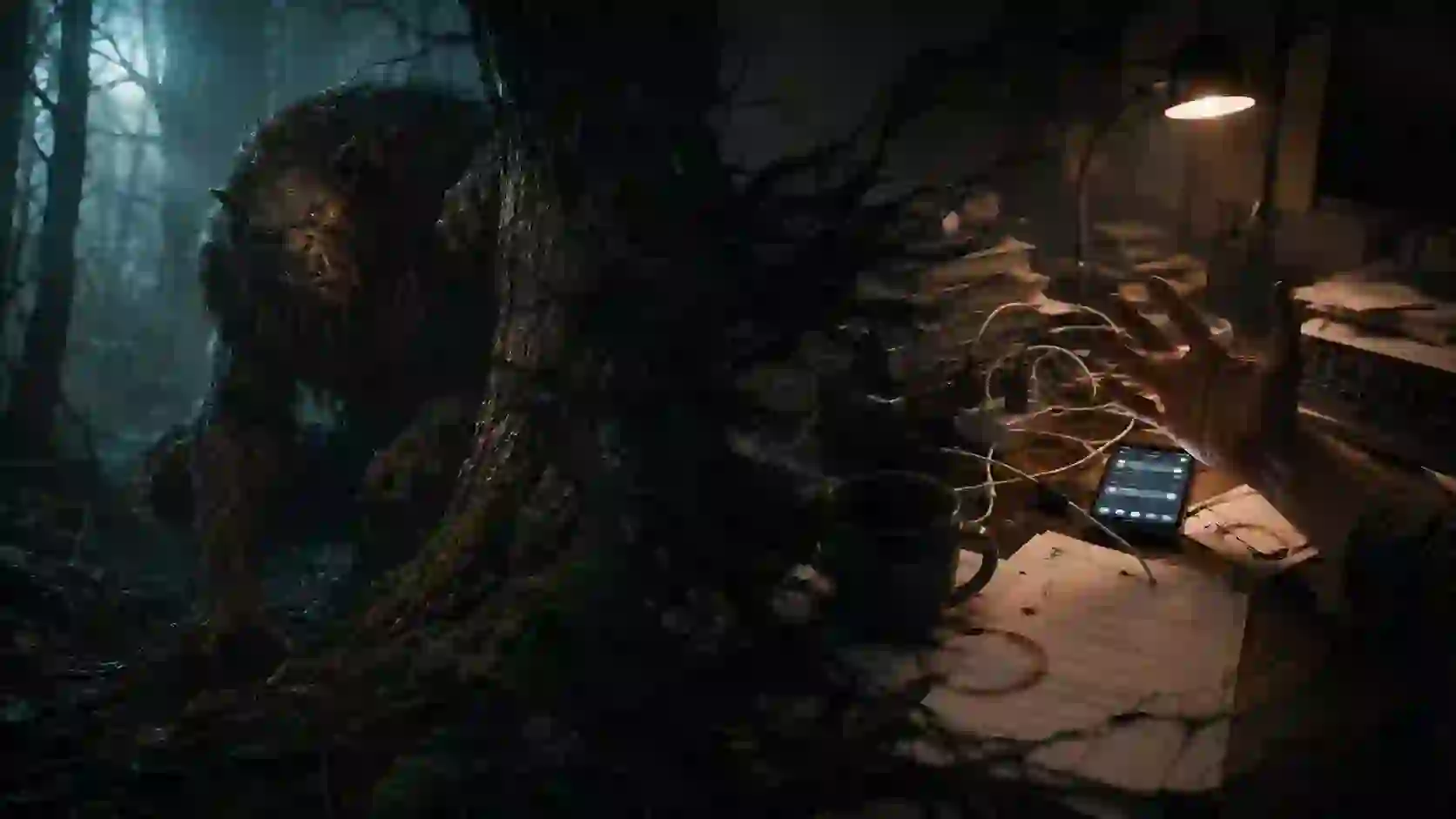
Folklorists trace the earliest bugbear meaning to a shapeshifting bogeyman that haunted English cottages and forests. This creature lurked in dark corners, under beds, or within dense woods, waiting to terrify anyone who misbehaved. The bugbear did not simply frighten—it represented the unknown dangers that existed beyond the safety of the hearth. Unlike a single-minded monster, it adapted its form to match a community’s deepest anxieties.
Medieval tales describe the bugbear as a shaggy, bear-like figure with glowing eyes and a silent, creeping gait. Parents weaponized this image to enforce obedience, a tactic that later softened the creature’s meaning. When the physical threat faded, the word remained, morphing into a metaphor for anything that nagged at the mind and refused to leave.
Etymology: Tracing the Word “Bugbear”
The word “bugbear” first appeared in written English around the 1550s, formed by joining “bug” and “bear.” At that time, “bug” signified a terrifying goblin or specter—a meaning that survives in words like “bugaboo” and “bogeyman.” Adding “bear” intensified the image, conjuring a hulking, monstrous presence that combined the brute strength of a bear with the supernatural creepiness of a goblin. The Oxford English Dictionary confirms this compound origin, noting that early uses almost always carried a sense of dread.
Scholars of language evolution point to “bugbear” as a perfect example of how threats shift from physical to psychological. The original bugbear meaning stayed locked in nursery tales until the 17th century, when writers began using the term figuratively. By 1640, you could find “bugbear” describing a cause of needless fear or a persistent worry in political pamphlets and personal letters.
Bugbear Meaning vs. Bogeyman: What’s the Difference?
Many people confuse the bugbear with the bogeyman, but the two creatures belong to overlapping yet distinct traditions. A bogeyman remains a general, formless terror that punishes children without a fixed appearance. The bugbear, by contrast, often took a bear-like or goblin shape in English folklore, making it more visually concrete. The bogeyman simply threatens; the bugbear actively haunts spaces and can become a tangible target for cultural storytelling.
The shift in bugbear meaning also separates it from the bogeyman. While “bogeyman” rarely left the realm of childhood fear, “bugbear” entered adult vocabulary as a label for real-world frustrations. That move gave the word staying power that the bogeyman lacks. Today, nobody calls a traffic jam a bogeyman, but calling it a bugbear feels natural and precise.
How the Bugbear Haunted Medieval Europe
Across medieval Europe, bugbear-like figures crept into local legends under names like “bwg” in Wales and “bögge” in Scandinavia. These spirits often guarded treasure, punished the greedy, or mimicked the sounds of injured animals to lure travelers off paths. English versions of the bugbear grew particularly vivid because the bear itself was a feared predator that still roamed parts of Britain in the early medieval period. Combining a goblin’s cunning with a bear’s ferocity created a hybrid terror that felt dangerously real.
The Encyclopaedia of Fairies by Katharine Briggs documents several regional bugbear variations, noting that some could only be warded off with iron charms or a Bible placed under a child’s pillow. These protective rituals show that the bugbear meaning was never just a story—it affected how people arranged their homes and raised their children. Over generations, as bears became extinct in Britain, the creature’s visual details softened, but the word held its grip on the imagination.
Bugbear Meaning in Literature Through the Centuries
Writers have used the bugbear’s dual nature to inject tension and dark humor into their work for over 400 years. William Shakespeare references the bugbear multiple times, most notably in The Winter’s Tale and Romeo and Juliet, where characters dismiss a threat by comparing it to a bugbear—a phantom fear blown out of proportion. These early literary uses helped cement the figurative bugbear meaning as an irrational but powerful anxiety.
By the 19th century, authors like Thomas Carlyle and Charles Dickens deployed “bugbear” to criticize social hypocrisies and bureaucratic nonsense. Dickens, in particular, labeled the workhouse system a bugbear that haunted the poor. Each literary appearance added a layer to the word, showing that the most dangerous bugbears were not monsters in the dark but systems and ideas that people accepted without question.
The Figurative Bugbear: From Monster to Everyday Annoyance
Today, the figurative bugbear meaning dominates common usage. When someone says, “My biggest bugbear is people who litter,” they are not picturing a hairy goblin. They describe an ordinary behavior that provokes disproportionate frustration. This semantic journey from tangible monster to abstract annoyance follows a path carved by other once-supernatural words like “nightmare” and “specter,” which also shed their literal skins over time.
Psychologists note that labeling a persistent irritation as a bugbear helps externalize the problem. Naming the annoyance robs it of some power and lets you analyze it more calmly. The word works because it carries a whisper of its monstrous past—enough to acknowledge that the irritation feels large and unmanageable, even when it stems from something small.
Bugbear Meaning in Dungeons & Dragons (D&D)
The actual bugbear was brought back to life and given a vicious, cunning personality by the tabletop role-playing game Dungeons & Dragons. The D&D Monster Manual describes bugbears as large, hairy goblinoids that stalk their prey with cunning and ambush tactics. These creatures value stealth and cruelty, often serving as enforcers for hobgoblin warlords or terrorizing isolated settlements on their own. Wizards of the Coast cemented this version of the bugbear meaning for millions of players worldwide.
Within D&D lore, bugbears combine the original folklore’s fear factor with a modern twist: they are not mere bogeymen but skilled combatants who exploit shadows and surprise. This game interpretation reconnects the word to its physical roots while making it accessible to new generations. Players who encounter a bugbear in a dungeon often remember the word’s older, darker resonance long after the session ends.
Modern Synonyms and Related Terms for Bugbear
The English language offers a rich set of words that orbit the bugbear meaning, each with its own subtle shade. “Pet peeve” sits closest to the modern usage, but it sounds almost trivial compared to the weight of “bugbear.” A pet peeve is a minor annoyance; a bugbear suggests something that has burrowed deeper and might reflect a personal or cultural anxiety. Other near-synonyms include “bête noire,” which French imports directly into English to denote a particular aversion, and “bane,” which emphasizes a cause of ruin or persistent misery.
Words like “hobgoblin,” “gremlin,” and “bugaboo” connect back to the original supernatural bugbear meaning. Using any of these terms adds texture to your language. When you refer to late paperwork as your “bugbear” instead of your “pet peeve,” you imply that the issue feels terrible, even though you know logically that it is really a labor.
Why Bugbears Still Matter: Psychological and Cultural Insights
Because they have a psychological purpose, bugbears continue to exist. Anthropologists argue that communities create monster figures to embody shared fears, whether of outsiders, nature, or moral collapse. The old bugbear meaning gave a face to the dread of losing children to the dark forest. The new bugbear meaning gives a name to the dread of feeling powerless over daily irritations that accumulate and sap energy.
Culturally, the word acts as a safe release valve. Calling something a bugbear signals to others that you recognize the irritation as partly irrational, inviting empathy rather than argument. In a world flooded with real and perceived threats, having a word that acknowledges the emotional weight of small but persistent problems makes those problems easier to discuss and, eventually, to solve.
How to Identify and Tame Your Personal Bugbears
Naming your personal bugbears creates a map of what drains your mental energy. Start by keeping a small list for one week: each time you feel a spike of disproportionate irritation, write down the trigger. Within days, patterns emerge. Your bugbears might cluster around noise, inefficiency, rudeness, or clutter. The simple act of identification transforms vague unease into a set of concrete challenges.
Once you see your bugbears clearly, you can choose a response. Some you can eliminate, like automating a recurring manual task. Others you must reframe or accept, perhaps by setting boundaries or practicing targeted mindfulness. The goal is not to banish every bugbear—the word’s history suggests they are stubborn companions—but to shrink them back to manageable size. You reclaim agency when you treat a bugbear as a problem to analyze rather than a monster to flee.
Table: Bugbear Meaning Across Contexts
| Context | Definition | Key Traits | Example |
|---|---|---|---|
| English Folklore | A hairy, bear-like goblin that frightens children | Lurks in dark places, shapeshifts, punishes misbehavior | “Be good or the bugbear will snatch you.” |
| Modern Figurative | A persistent source of annoyance or anxiety | Irrational intensity, personal or shared trigger | “Slow walkers are my biggest bugbear.” |
| Dungeons & Dragons | A large, stealthy goblinoid predator | Ambush tactics, brute strength, low cunning | “The bugbear burst from the shadows and swung a morningstar.” |
| Literature | A metaphor for baseless fear or oppressive systems | Rhetorical device, critique of society | “Dickens called the workhouse a bugbear of the poor.” |
| Psychology | An externalized symbol of a nagging worry | Helps name and manage low-level stressors | “Turning your bugbear into a named problem reduces its hold.” |
Frequently Asked Questions About Bugbear Meaning
What is the bugbear meaning in simple terms?
A bugbear is either a legendary goblin-like creature from English folklore or, more commonly, a recurring irritation or pet peeve in modern language.
Where did the word bugbear originate?
The word formed around the 1550s in English from “bug” (a hobgoblin or specter) and “bear,” reflecting a frightening, bear-like monster used to scare children.
How did bugbear meaning change over time?
By the 17th century, writers began using “bugbear” to describe something that causes needless fear or annoyance, shifting the meaning from a physical monster to an abstract worry.
What is the difference between a bugbear and a bogeyman?
A bugbear often has a bear-like or goblin shape in folklore, while a bogeyman remains a shapeless terror. Figuratively, “bugbear” applies to everyday annoyances; “bogeyman” rarely does.
What is a bugbear according to Dungeons & Dragons?
D&D describes a bugbear as a large, hairy goblinoid that uses stealth and brute force to ambush enemies, serving as a powerful combatant in the game’s monster lore.
What are common synonyms for a bugbear (annoyance sense)?
Strong synonyms include pet peeve, bête noire, bane, and grievance. Each conveys a slightly different intensity, with “bugbear” suggesting a deeper, more stubborn irritation.
Embrace the Bugbear’s Legacy
The journey of bugbear meaning—from a shadowy nursery terror to a label for your most stubborn frustrations—reveals how language captures human experience. That word you throw at a minor annoyance carries centuries of folklore, psychology, and storytelling. When you call something a bugbear, you join a long chain of voices that turned fear into vocabulary. What bugbears hide in your daily routine? Name them aloud, write them down, or share one in a conversation today. Giving a problem its proper name is the first act of taking control.