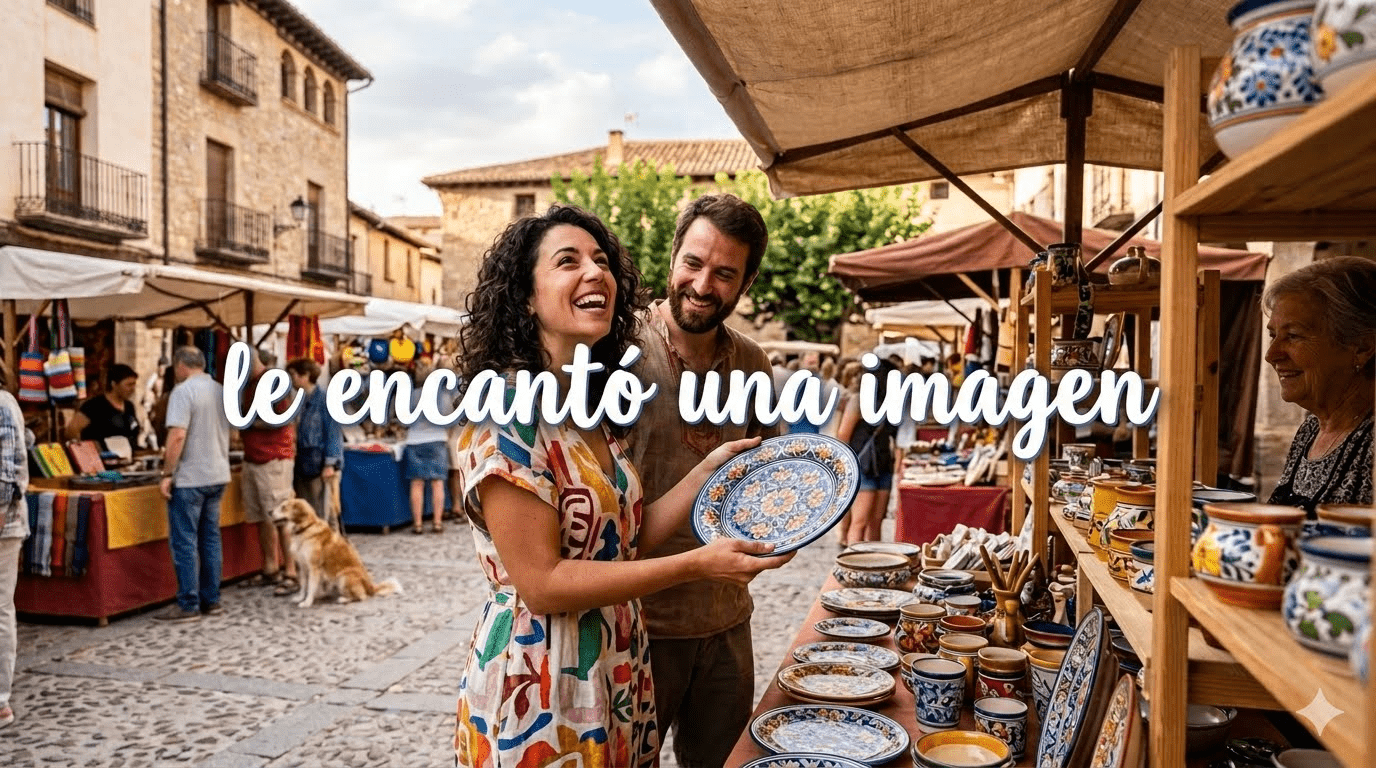
Picture this: you’re watching a Spanish video, and someone exclaims “le encantó una imagen.” You freeze. Does it imply that he was thrilled with an image or that she adored a picture? Misreading the phrase can lead to an awkward silence. No more confusion. This article breaks down the translation, grammar, and real usage so you grasp it instantly.
What Does “Le Encantó Una Imagen” Mean in English?
The phrase “le encantó una imagen” translates directly to “he/she loved an image” or “he/she was delighted by a picture.” The Spanish verb encantar carries a stronger feeling than “like.” It expresses genuine enjoyment or even enchantment. The word le tells us the person who experienced the love — him, her, or a formal you.
You will hear this phrase when someone reacts to a photo, a painting, or any visual they truly admire. Mastering “le encantó una imagen” gives you a clear, natural way to express strong appreciation in past conversations.
Breaking Down the Phrase Word by Word
Understanding each part makes the whole expression simple.
Le – An indirect object pronoun meaning “to him,” “to her,” or “to you (formal).” It shows who felt the emotion.
Encantó – The third-person singular preterite form of encantar, meaning “enchanted” or “loved.” It refers to a completed past action.
Una – The feminine singular indefinite article “a” or “an.”
Imagen – The noun “image,” “picture,” or “photo.”
Put together, the literal structure reads: “To him/her, an image was enchanting.” Spanish verbs like encantar reverse the typical English word order, placing the loved thing as the subject.
The Grammar Behind “Le Encantó” – Indirect Object Pronouns
Spanish uses a different logic with verbs like encantar, gustar, and fascinar. The thing that pleases becomes the subject, and the person who feels the pleasure becomes the indirect object.
When you say “le encantó una imagen,” you are really saying “the image enchanted him/her.” The indirect object pronoun le replaces the full phrase a él, a ella, or a usted. This grammar pattern appears constantly in daily Spanish:
Me encantó la canción. (I loved the song.)
Nos encantaron las fotos. (We loved the photos.)
Once you internalize this flip, “le encantó una imagen” stops feeling backwards and starts feeling natural.
Why “Encantó” Uses the Preterite Tense
The preterite tense describes actions that were completed at a specific moment in the past. Encantó tells you the loving reaction happened at a defined time — when the person saw the image.
Compare it with the imperfect tense encantaba, which implies an ongoing or habitual fondness.
Le encantó una imagen que vio ayer. (He loved an image he saw yesterday.) – specific event.
De niño, le encantaba dibujar. (As a child, he loved to draw.) – general past habit.
Choosing the preterite correctly in “le encantó una imagen” shows you are talking about a single, completed moment of delight.
Common English Translations for “Le Encantó Una Imagen”
Different contexts call for slightly different English equivalents. As a quick reference, use this table.
| Spanish Phrase | Literal Translation | Natural English Equivalent |
| Le encantó una imagen. | To him/her, an image was enchanting. | He/She loved an image. |
| Le encantó una imagen del paisaje. | To him/her, a landscape image was enchanting. | He/She really liked the landscape picture. |
| A María le encantó una imagen antigua. | To María, an old image was enchanting. | María was delighted by an old picture. |
Pick the English version that best fits the speaker’s tone and the relationship. All of them carry the core meaning of “le encantó una imagen” without sounding robotic.
Real-Life Examples of “Le Encantó Una Imagen” in Conversation
Nothing clarifies a phrase like real-world usage. Here are examples you might hear or say yourself.
Cuando revisamos el álbum, a mi madre le encantó una imagen de la boda.
(When we looked through the album, my mother loved a picture from the wedding.)
Le mostré varias fotos y le encantó una imagen del atardecer en la playa.
(I showed her several photos, and she loved an image of the sunset at the beach.)
Al niño le encantó una imagen del dinosaurio en el libro.
(The child loved a picture of the dinosaur in the book.)
Each example shows “le encantó una imagen” attached to a specific context, making the phrase easy to remember and reuse.
Difference Between “Le Encantó” and “Le Gustó”
While both verbs express positive reactions, the intensity changes dramatically. Gustar means “to like,” while encantar means “to love” or “to be enchanted by.”
Le gustó una imagen. – He/She liked an image. (mild approval)
Le encantó una imagen. – He/She loved an image. (strong enthusiasm)
If someone says “le encantó una imagen,” they are not just being polite; they genuinely felt a spark of joy. Using the stronger verb in your own Spanish makes your compliments sound more authentic and warm.
How to Use “Le Encantó” with Other Nouns
Once you master “le encantó una imagen,” you can swap the noun to describe any object or idea that someone loved.
Le encantó la canción. (He/She loved the song.)
Le encantó el regalo. (He/She loved the gift.)
Le encantó la idea. (He/She loved the idea.)
Just keep the structure: indirect object pronoun (le) + encantó + singular noun. The noun and the article agree on both gender and number. This tiny template unlocks dozens of natural Spanish sentences.
Other Spanish Phrases Learners Often Search For
Many Spanish learners land on “le encantó una imagen” while hunting for quick translations. A few other frequently searched expressions share the same grammar or look similar.
Le encanto (without accent) meaning – If you typed “le encanto,” you probably meant “le encantó.” Without the accent, encanto is the first-person present (“I enchant” or “I charm”). That completely changes the meaning. Always include the accent for the past tense.
Le encantó in English – Simply means “he/she loved” or “it delighted him/her.” The object can be anything, not only an image.
Encuentra el ritmo meaning in English – This separate phrase translates to “find the rhythm” or “find the beat.” Dance and music teachers use it often.
Knowing these distinctions prevents embarrassing mix-ups and helps you search with the right terms.
Mastering the Verb “Encantar” in Daily Spanish
To fully own “le encantó una imagen,” get comfortable with the entire encantar family. The verb works the same way with all indirect object pronouns.
Pronoun Present (Encanta) Preterite (Encantó) Example
me me encanta me encantó Me encantó la película. (I loved the movie.)
les les encanta les encantó Les encantó el paseo. (They loved the walk.)
Practice forming sentences with each pronoun. This table turns a single phrase into a whole conversation skill.
Tips to Remember “Le Encantó Una Imagen” and Similar Phrases
Use these simple memory hooks to lock the phrase into your active vocabulary.
Repeat aloud: Say “le encantó una imagen” five times each morning. Your tongue builds muscle memory.
Visualize: Picture a friend smiling at a photo while you think the phrase.
Create mini stories: Tell yourself, “A mi papá le encantó una imagen del jardín.” Short narratives cement the grammar.
Link to “enchant”: The English word enchant shares roots with encantar. When someone is enchanted, they love something deeply.
Write your own examples: Replace imagen with other nouns and write three sentences daily.
These micro-habits turn a new expression into second nature within a week.
Frequently Asked Questions About “Le Encantó Una Imagen”
What does “le encantó una imagen” mean exactly?
It means “he/she loved an image” or “he/she was delighted by a picture.” The phrase describes a specific, completed past reaction to a visual.
How do you pronounce “le encantó una imagen”?
Say it as leh en-kan-TOH oo-nah ee-MAH-hen. Stress the third syllable of encantó and the second syllable of imagen.
Can “le encantó una imagen” refer to a digital image or only printed photos?
The word imagen covers digital pictures, photographs, illustrations, and even mental images. The phrase fits any visual medium without adjustment.
What distinguishes “le encantó” from “le encantó una imagen”?
“Le encantó” means “he/she loved (something)” where the object is implied or stated earlier. “Le encantó una imagen” explicitly names the loved thing — an image. Adding the noun removes ambiguity.
Is “le encantó una imagen” formal or informal?
It works in both registers. The pronoun le can address a close friend (informal le referring to él/ella) or a respected person (formal usted). Context determines the tone.
How can I respond if someone tells me “le encantó una imagen” about a picture I shared?
Reply with “¡Qué bueno!”(That is fantastic!) or “Me alegro mucho” (I am really happy). If you want to ask which image, say “¿Cuál imagen le encantó?” (Which image did he/she love?).
Now you have every tool to understand, translate, and use “le encantó una imagen” with complete confidence. Practice the examples, speak the phrase out loud, and test it in your next Spanish conversation. The moment you hear yourself say it naturally, you will know the phrase truly belongs to you.