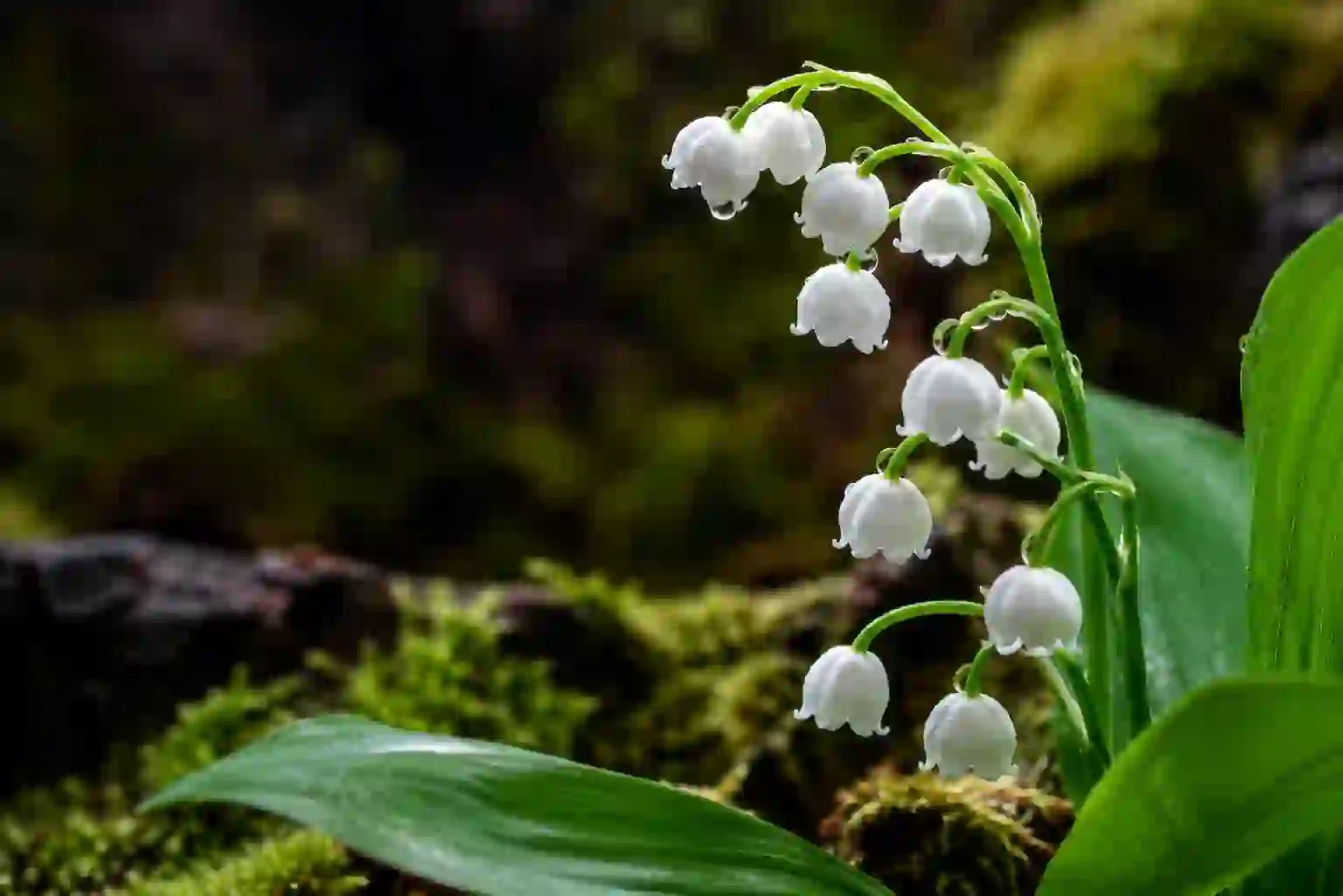
You’ve seen its delicate white bells and inhaled its sweet perfume. Yet the lily of the valley meaning remains a mystery to many. Misreading its symbolism can lead to awkward gifting mistakes or missing its rich cultural weight. This definitive guide unpacks every layer—from love and purity to royal traditions and toxicity warnings—so you can use this flower with confidence and depth.
The Core Lily of the Valley Meaning: Purity, Humility, and a Return to Happiness
At its heart, the lily of the valley meaning centers on a return to happiness. Each tiny white bell hangs from a thin, arching stem as if bowing in quiet reverence. This posture gives the plant its deep association with humility. A gift of these flowers says, “You make my life complete again.”
Victorian floriographers assigned Convallaria majalis the message “return of happiness.” They chose the bloom to crown May Day celebrations and to mend fractured relationships. The Royal Horticultural Society notes that the plant’s Latin name translates to “valley lily that blooms in May,” perfectly aligning with its springtime message of renewal and fresh starts.
The purity side of the lily of the valley meaning comes from its snow-white, spotless blossoms and heady, clean fragrance. In many cultures, white flowers signal innocence and a clean slate. Because the plant thrives in shaded, humble forest floors, it also whispers that grace grows in quiet places. The lily of the valley’s significance endures because of its combined promise of purity and joy.
Lily of the Valley Meaning in Love and Romantic Relationships
In romance, the lily of the valley meaning shifts to tender, steady devotion. Unlike red roses that shout passion, these bell-shaped blooms murmur long-term fidelity and emotional safety. French grooms traditionally offer a sprig on May 1st to declare love without a single spoken word.
The language of flowers book Le Langage des Fleurs by Charlotte de Latour (1819) linked lily of the valley directly to “renewed love.” A bouquet sent after a quarrel served as a silent apology and a pledge to start again. Even today, second-wedding bouquets frequently feature these blossoms to symbolize hope and the joy of finding love later in life.
A 2022 survey by the Society of American Florists listed lily of the valley among the top five wedding flowers chosen for emotional meaning rather than appearance. Brides report choosing it to honor a grandmother’s garden or to carry a scent that feels like a calm embrace. That emotional charge is exactly what the lily of the valley meaning delivers—love that feels safe, familiar, and quietly powerful.
Religious and Spiritual Symbolism: Tears of the Virgin Mary
Christian legend hands the lily of the valley meaning a sacred origin story. Tradition says the flowers sprang from Eve’s tears when she left the Garden of Eden. A more beloved tale credits the Virgin Mary: her tears at the foot of the cross fell to the ground and bloomed into these white bells. That’s why the flower carries the folk name “Our Lady’s Tears” or “Mary’s tears” in many European countries.
Scripture mentions “lily of the valleys” in Song of Solomon 2:1, though botanists debate whether the biblical plant matches Convallaria majalis. Regardless, the verse cemented the flower as a symbol of spiritual humility and divine beauty. Monasteries across Europe planted lily of the valley in Mary Gardens, spaces dedicated to the Virgin, reinforcing the lily of the valley meaning of purity and maternal compassion.
In Eastern Orthodox iconography, the archangel Gabriel sometimes holds a stalk of these blossoms during the Annunciation. The flower’s posture—heads bowed, fragrance rising—mirrors Mary’s humble acceptance. Today, many Christians still use the blooms for First Communion bouquets and baptism decorations, drawing directly from that centuries-old spiritual lily of the valley meaning.
Royal and Cultural Significance: Why Kate Middleton Carried It
Royal weddings have broadcast the lily of the valley meaning to millions. Catherine, Princess of Wales, carried a shield-shaped bouquet in 2011 that included lily of the valley along with hyacinth and Sweet William. The palace confirmed the choice honored tradition; the flower has appeared in royal bridal arrangements since Queen Victoria’s wedding in 1840.
Grace Kelly carried a Bible and a small posy of lily of the valley at her 1956 wedding to Prince Rainier of Monaco. Her classic elegance paired perfectly with the bloom’s understated charm. The Princess of Wales’ bouquet paid homage to that moment and to her own mother-in-law, Diana, who also loved the scent.
Outside of weddings, the Dutch royal family sends a bouquet of lily of the valley to Finland each year on their Independence Day as a gesture of solidarity. This diplomatic tradition underscores how the lily of the valley meaning travels beyond romance into national pride and goodwill. The flower’s delicate appearance masks a potent diplomatic and cultural currency.
Lily of the Valley Meaning Across Cultures and Traditions
Different countries attach unique shades of meaning to the flower. The table below captures the most influential interpretations.
| Culture / Context | Symbolic Meaning | Notable Tradition |
|---|---|---|
| Victorian England | Return of happiness, discretion | Gifted as a silent apology |
| Christian Europe | Mary’s tears, humility, purity | Planted in monastery Mary Gardens |
| France | Good luck, love declaration | Offered on May Day (Fête du Muguet) |
| Norse mythology | Spring’s triumph, goddess Ostara’s favor | Wild-picked for spring festivals |
| Royal Britain | Continuity, marital devotion | Carried by Kate Middleton and Grace Kelly |
| Modern perfumery | Grace, timeless femininity | Guerlain’s annual Muguet fragrance release |
This table shows just how versatile the lily of the valley meaning is. It can whisper an apology, crown a queen, or scent a celebration. No single definition captures every layer.
Lily of the Valley in the Language of Flowers (Floriography)
Victorians turned flower-giving into a coded conversation. In that silent language, the lily of the valley meaning couldn’t be louder. When a suitor sent a tussie-mussie of these bells, he was saying, “You’ve brought joy back into my life.” The message came without a single risky word.
Kate Greenaway’s illustrated Language of Flowers (1884) lists the official definition as “return of happiness.” That same handbook warns against mixing the flower with marigolds or yellow roses, which would create a confusing message of joy mingled with grief or jealousy. Perfectly placed, the lily of the valley meaning stood alone as pure, hopeful love.
Modern florists still consult these Victorian dictionaries when designing symbolic arrangements. A graduation bouquet featuring lily of the valley means, “Your hard work has led to a joyful new chapter.” A retirement posy says, “May you find happiness in what comes next.” The old codes still speak.
Birth Flower Meaning: Why May’s Bloom Is So Special
People born in May carry the lily of the valley meaning as their birthright. Alongside hawthorn, this flower represents May birthdays with a message of sweetness, humility, and a bright outlook. The National Gardening Association recognizes Convallaria majalis as the primary May birth flower, noting its deep connection to late spring and new beginnings.
Giving a May-born friend a bouquet of their birth flower tells them you see their gentle strength. It also acknowledges a personality trait often linked to the month: quiet determination wrapped in kindness. Because the flower thrives in the shade, it speaks to an inner resilience that doesn’t need the spotlight.
May itself takes its name from Maia, the Roman goddess of growth. The lily of the valley meaning aligns perfectly with that goddess’s spirit—life pushing forward with unstoppable yet unhurried force.
Lily of the Valley Meaning in Dreams and Folklore
Dream interpreters assign a hopeful message to these blooms. Dreaming of fresh lily of the valley typically signals that a period of sadness is about to lift. The lily of the valley meaning in the dream world serves as a green light for reconciliation and inner peace. Wilting or crushed flowers, however, warn of ignored emotional wounds.
Germanic folklore believed that planting lily of the valley near the front door would attract good spirits and repel malicious ones. In Romania, young women tucked the flowers under their pillows on the eve of St. George’s Day to dream of their future husbands. The scent was thought to invite prophetic visions.
Even today, aromatherapists note that the perfume’s compound, linalool, can lower cortisol levels. While the dream symbolism holds cultural weight, the actual scent may genuinely soothe an anxious mind—a fitting physical echo of the spiritual lily of the valley meaning.
Wedding Symbolism and Bridal Bouquets
Lily of the Valley is chosen by brides for reasons other than its appearance. A bouquet of these bells makes the lily of the valley meaning the centerpiece of the ceremony. It declares, “Today joy has returned, and I walk into this marriage with a pure and hopeful heart.”
The flower’s scarcity outside of its short spring window adds to its bridal prestige. Lilies of the valley simply refuse to bloom on demand. That seasonal exclusivity makes the flower a statement of intentional, patient love. Couples who choose it often describe wanting a bouquet that feels intimate, not loud.
Event planner Karen Tran, known for luxury floral design, notes that lily of the valley bouquets require hand-wiring each delicate stem. The effort mirrors the care a marriage needs. This practical detail deepens the lily of the valley meaning for couples who value craftsmanship and quiet devotion over fleeting trends.
The Darker Side: Toxicity Warnings and Safety
This flower holds a dangerous secret. Every part of the plant—leaves, stems, blossoms, and the red berries that follow—contains cardiac glycosides. The ASPCA Animal Poison Control Center warns that ingestion can cause vomiting, irregular heartbeat, and even death in cats, dogs, and humans. A seemingly innocent vase of lily of the valley can turn deadly if a pet drinks the water.
Because of this, the lily of the valley meaning must include a strong caution. Never place arrangements where children or animals can reach them. Label garden patches clearly and teach little ones that these pretty bells are never for tasting. If you suspect ingestion, contact a poison control center immediately.
The toxicity doesn’t taint the symbolism but does demand respect. Knowing the full lily of the valley meaning means holding the romance and the reality together. Beautiful things often come with boundaries.
Growing and Gifting: How to Share Its Meaning Respectfully
If you want to gift this flower, first master a few honest facts. Lily of the valley spreads aggressively through underground rhizomes. Plant it in a contained bed or a pot to prevent it from smothering less vigorous plants. The Royal Horticultural Society advises planting crowns in autumn in well-drained, humus-rich soil in partial shade.
When you offer a handpicked bundle, attach a small card explaining the lily of the valley meaning. A simple note—“May these bring a return of happiness”—elevates the gesture from pretty to personal. Dried bunches work well for bookmarks or keepsake sachets that carry the meaning long after the fresh blooms fade.
For those unable to grow the live plant, consider a high-quality fragrance that captures the scent. This flower has become a signature in perfumery precisely because the real oil is nearly impossible to extract naturally. A spritz can deliver the emotional lily of the valley meaning without any toxicity risk.
Lily of the Valley in Art, Literature, and Perfume
Artists and writers have long reached for this flower to signal innocence tinged with melancholy. In Édouard Manet’s portrait Spring, a fashionably dressed woman holds a sprig of lily of the valley, nodding to May and renewal. The Pre-Raphaelite painters used it to symbolize purity on the verge of tragedy.
In literature, the lily of the valley meaning blooms in unexpected places. F. Scott Fitzgerald named a key character in The Great Gatsby “lily-white,” evoking the flower’s cool, untouchable beauty. Agatha Christie frequently placed a vase of these bells in her country-house murder scenes, contrasting fragrant innocence with hidden poison.
Perfume houses celebrate the flower’s scent with near-religious devotion. Guerlain releases a limited-edition Muguet fragrance every year on May Day, a tradition started in 1908. Dior’s Diorissimo, created by Edmond Roudnitska in 1956, remains the benchmark soliflore lily of the valley perfume. Master perfumer Roja Dove calls the scent “the soul of spring trapped in a bottle”—a sentiment that perfectly captures the lily of the valley meaning for scent lovers.
How to Use the Lily of the Valley Meaning in Your Daily Life
You don’t need a wedding or a holiday to draw on this flower’s quiet strength. Place a small vase on your desk when you need a visual reminder that joy returns. Choose a lily of the valley-scented candle for meditation or journaling sessions focused on renewal and letting go of past hurts.
Letter writers and journal keepers can press the tiny bells into pages as a symbol of a completed emotional chapter. The act of drying something so delicate becomes a ritual in itself—a promise that even fragile things can last. When you fully understand the lily of the valley meaning, a single pressed flower becomes a talisman.
Gift the motif on jewelry or a scarf to a friend recovering from a hard season. Tell them, “This flower means happiness coming back.” That small moment of shared understanding carries a weight far beyond a casual present. It becomes a coded message of hope that fits into an ordinary Tuesday.
Frequently Asked Questions About Lily of the Valley Meaning
What does a lily of the valley tattoo symbolize?
A lily of the valley tattoo usually represents a personal return to happiness or a tribute to a May birth month. Its white bells in ink signal purity, resilience, and a commitment to finding joy after a dark period.
Is lily of the valley poisonous to touch?
Touching the plant rarely causes a severe reaction, but the sap can irritate sensitive skin. The real danger comes from ingesting any part of the plant. Always wash your hands after handling and keep it away from pets and children.
Why is lily of the valley called Mary’s tears?
Christian tradition holds that the Virgin Mary’s tears at the crucifixion fell to the ground and bloomed into these flowers. The name “Our Lady’s Tears” directly ties the lily of the valley meaning to maternal sorrow and divine compassion.
What is the spiritual meaning of lily of the valley?
Spiritually, the flower stands for humility, a pure heart, and the quiet return of grace. It asks you to bow your head, let go of pride, and trust that joy will grow even in shaded, forgotten places.
Can I gift lily of the valley for a wedding anniversary?
Yes. It makes a deeply meaningful gift for a second anniversary or any milestone where you want to celebrate renewed love. Pair it with a note explaining the lily of the valley meaning to double the emotional impact.
Does lily of the valley mean sadness or death?
While occasionally used in funeral arrangements to symbolize the soul’s return to innocence, the flower more commonly represents the end of sadness. Its primary message is joy restored, not grief.
Now you hold the full lily of the valley meaning in your hands—its history, its sacred roots, its romantic whispers, and its sharp warnings. This small flower carries a world of careful emotion. Next time you catch its scent or spot its white bells in a bouquet, you’ll know exactly what it says. Share the story with someone who needs a promise that happiness can, and will, bloom again. If this guide surprised you, send it to a May-born friend or a bride-to-be. They’ll thank you for adding layers of meaning to something so seemingly simple.